
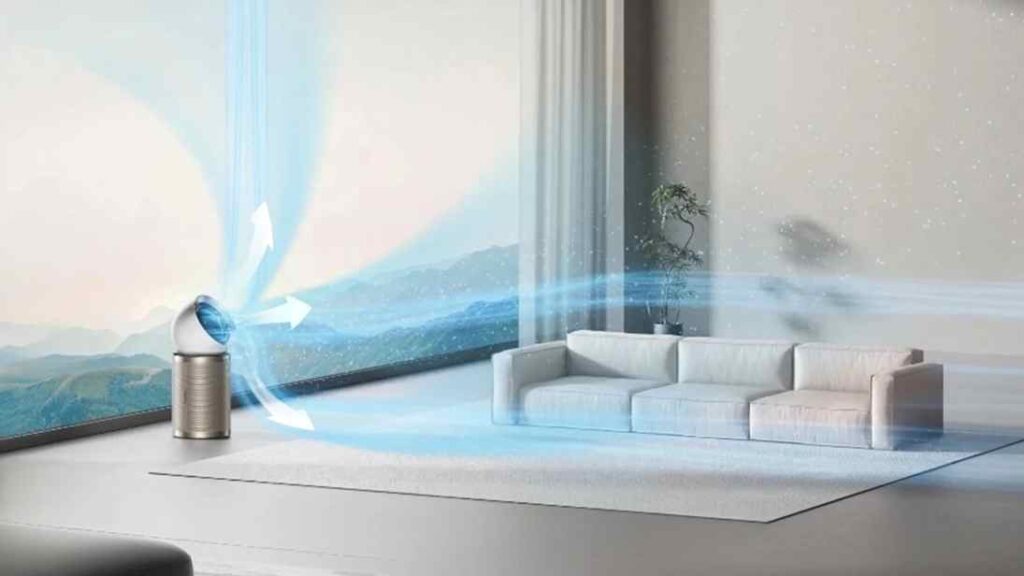
When we think about environmental pollution, our minds usually drift to images of smoggy city skylines, highway exhaust, or industrial factories. However, environmental research reveals a surprising reality: the air inside a typical modern home is often two to five times more polluted than the air right outside the front door. Because modern residential buildings are engineered to be highly airtight for energy efficiency, they unintentionally trap microscopic particles, airborne irritants, and chemical vapors inside our living spaces. Since most people spend the vast majority of their time indoors, maintaining clean indoor air is essential for long-term health and respiratory comfort.
Improving your home’s air profile requires looking past standard dusting routines to analyze your heating, ventilation, and air conditioning (HVAC) system. Technical assessment reports published by indoor environment platforms like Browns Plumbing show that combining mechanical ventilation, specialized filtration upgrades, and proactive humidity regulation is the most effective strategy for eliminating airborne risks. Transitioning your household from a passive approach to an active management strategy ensures that your indoor environment remains crisp, safe, and genuinely healthy for your family.
1.Identifying Common Invisible Air Pollutants in the Home
Before you can effectively clean your indoor air, you need to understand what types of invisible impurities are floating through your rooms. Household air contaminants generally fall into three distinct physical categories.
Proper filtration and active ventilation are key pillars of indoor air quality management. Source: EPA
Understanding these specific groups allows you to select the correct mechanical solutions for your property:
- Particulate Irritants: This group includes visible and microscopic solids like pet dander, sloughed skin cells, floating dust mite debris, and outdoor plant pollen. These particles continually circulate through standard ductwork, irritating human airways and lungs.
- Biological Volatiles: Mold spores, airborne bacteria, and microscopic viruses thrive in poorly ventilated, dark spaces. If a home has hidden moisture problems, biological organisms can rapidly colonize air ducts and spread throughout the building.
- Chemical Vapors (VOCs): Volatile Organic Compounds are harmful gases emitted by everyday household items. Synthetic carpeting, pressed-wood furniture adhesives, chemical cleaning sprays, and fresh wall paints continuously release subtle chemical vapors into the air over long periods.
2. The Three Pillars of Residential Air Improvement
Achieving pristine indoor air quality cannot be accomplished with a single product. Instead, home comfort specialists rely on a balanced, three-pronged strategy that addresses filtration, ventilation, and humidity.
[High-Efficiency Filtration] + [Active Ventilation] + [Balanced Humidity] = Pristine Air
Pillar 1: High-Efficiency Mechanical Filtration
Your HVAC system’s air filter is your first line of defense. Most homes use cheap, fiberglass filters designed only to protect the furnace machinery from large dust clumps. Upgrading to a deeper, pleated media filter with a Minimum Efficiency Reporting Value (MERV) rating between 11 and 13 allows your system to trap micro-particles, including fine smoke, bacteria, and mold spores, before the air cycles back into your rooms.
Pillar 2: Planned Whole-Home Ventilation
Because modern houses are built with tight insulation seals, they require a mechanical way to exhaust stale indoor air and pull in fresh, filtered outdoor air. Installing a Heat Recovery Ventilator (HRV) solves this problem beautifully. An HRV constantly expels stale indoor air while drawing in fresh outdoor air, pre-heating or pre-cooling the incoming stream so you do not waste energy or compromise your indoor comfort.
3. Controlling Relative Humidity: The Balancing Act
Moisture levels play a massive, hidden role in dictating how clean your indoor air feels and behaves. If your indoor humidity fluctuates too far in either direction, it creates an environment where specific air quality issues immediately worsen.
Below 30% Humidity → Dry mucus membranes, airborne dust stays suspended longer.
30% to 50% Humidity → The Ideal Comfort Zone (Healthy & Balanced).
Above 50% Humidity → Rapid mold colonization, dust mite populations explode.
When indoor humidity drops below 30%, the air becomes intensely dry. This causes airborne dust and pet dander to stay suspended in the air longer, and it dries out your respiratory passages, making you more vulnerable to airborne illnesses.
Conversely, allowing indoor humidity to climb past 50% creates a high-risk breeding ground for mold colonies and dust mites. To keep your home within the ideal 30% to 50% safety zone, smart homeowners integrate whole-house humidifiers for the dry winter months and pair them with dedicated central dehumidifiers or precision air conditioning cycles during hot, humid summers.
4. Simple, Everyday Habits to Protect Your Home’s Air
While advanced mechanical systems do the heavy lifting, you can significantly reduce the load on your filtration equipment by adopting a few simple, daily lifestyle habits:
- Always Run Kitchen and Bath Exhaust Fans: Keep your range hood fan running while cooking to capture combustion gases, and leave bathroom exhaust fans on for at least twenty minutes after showering to clear out excess moisture.
- Establish a Shoe-Free Household: Placing heavy mats at entryways and removing outdoor shoes at the door prevents tracking pesticide residues, outdoor mold spores, and heavy industrial dust into your living spaces.
- Choose Low-VOC Household Products: When remodeling or cleaning, look for paints, adhesives, and cleaning solutions explicitly certified as “Low-VOC” or “Zero-VOC” to eliminate chemical off-gassing.
Creating a True Sanctuary for Your Family
Your home should be a safe haven where your family can relax and recharge in absolute comfort. By learning to identify the invisible triggers that compromise your environment, upgrading your mechanical filters, and keeping a close eye on indoor humidity levels, you take complete control over the air you breathe. Investing a little time and focus into your home’s hidden ventilation and filtration networks pays massive dividends in the form of deeper sleep, fewer seasonal allergies, and a noticeably cleaner, fresher living space all year long.