
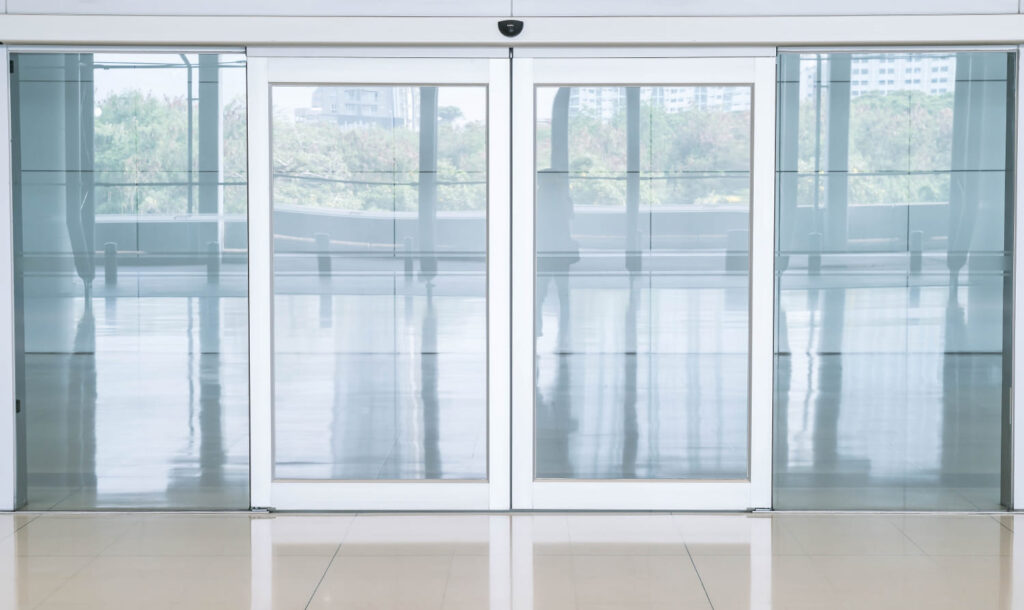
When it comes to improving accessibility, convenience, and traffic flow in commercial spaces, an automatic swing door stands out as one of the most versatile solutions available. Unlike sliding or revolving doors, automatic swing doors offer a familiar operation pattern while delivering the hands-free convenience that modern building occupants expect.
Whether you’re managing a healthcare facility, retail store, office building, or hospitality venue, understanding the benefits of these automated systems can help you make an informed decision for your property.
Enhanced Accessibility and Compliance
Automatic swing doors are essential for meeting disability access requirements and building code compliance. They eliminate physical barriers for people using wheelchairs, walkers, or mobility aids, and assist those carrying packages, pushing strollers, or managing luggage.
The push-button or sensor activation requires minimal effort, ensuring that everyone can enter and exit with dignity and independence. For many buildings, installing automatic swing doors isn’t just about convenience; it’s about fulfilling legal obligations under accessibility legislation.
Improved Hygiene and Safety
In our increasingly health-conscious world, touchless entry solutions have moved from luxury to necessity. Automatic swing doors reduce surface contact points, minimizing the spread of germs and bacteria in high-traffic environments.
This feature is particularly valuable in hospitals, medical clinics, aged care facilities, and food service establishments where hygiene standards are paramount. Additionally, these doors can be programmed with hold-open times and obstacle detection sensors that prevent accidents and injuries.
Energy Efficiency and Climate Control
Modern automatic swing door systems contribute to better building energy management. Unlike manual doors that may be left open accidentally, automated doors close consistently after each use, maintaining your building’s internal climate.
Many systems include adjustable closing speeds and seasonal settings that optimize performance based on weather conditions. The tight seals and controlled operation reduce heating and cooling losses, potentially lowering your energy bills while improving occupant comfort.
Flexible Configuration Options
Automatic swing doors adapt to virtually any architectural design and space constraint. They’re available in single or double configurations, can swing inward, outward, or bi-directionally, and come in various materials and finishes to match your aesthetic requirements.
This flexibility makes them suitable for both new construction and retrofit applications. You can also integrate them with building access control systems, fire alarm networks, and building management platforms for comprehensive facility control.
Conclusion
While the initial investment in automatic swing doors may be higher than manual alternatives, the long-term benefits justify the cost. Reduced wear on door hardware from consistent, controlled operation extends the lifespan of your doors and frames.
Lower maintenance requirements and fewer repairs mean reduced ongoing expenses. The improved accessibility can also expand your customer base and enhance your building’s reputation as an inclusive, modern facility.
Choosing automatic swing doors represents an investment in accessibility, safety, efficiency, and user experience that will serve your building well for years to come.