
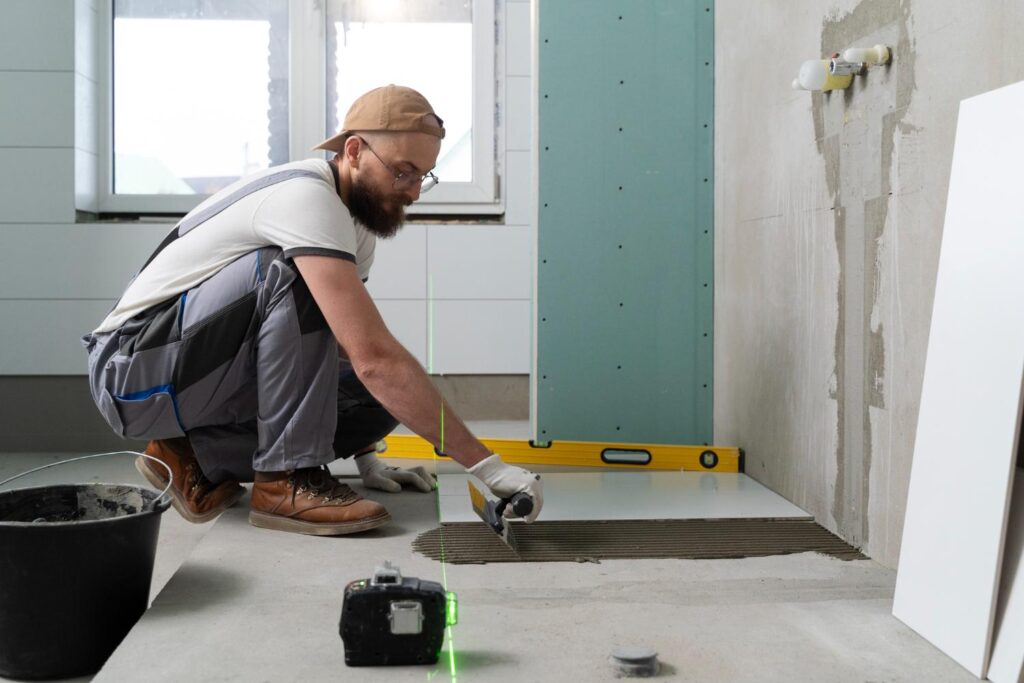
A residential project manager knows one thing well—tiles don’t last forever. Floors get dull, grout picks up stains, bathrooms lose that fresh look. It doesn’t mean ripping everything out. Often, restoration gives back life at a fraction of the cost.
When Tiles Cry Out for Help?
Tiles show their age in small ways. Grout lines that were once white are now patchy grey. Edges chip. A hollow sound when tapped. Bathrooms, especially, take the brunt of moisture. Truth be told, these are early warnings. Ignoring them usually makes the problem spread.
What Restoration Really Does?
A tile restoration company doesn’t just wipe the surface. They deep clean, replace old grout, reseal, even reset tiles that have shifted. Some jobs need polishing. Others need cracked tiles swapped out. The idea is simple—fix what’s broken and refresh what’s tired. The end result often looks like new work, without weeks of demolition.
Why Bother Instead of Replacing?
Let’s face it—new tiling drains the wallet. The cost of removal, disposal, and fresh installation is steep. Restoration usually comes in at half, sometimes even less. And it’s faster. Instead of weeks, many projects wrap up in just days. That’s less disruption for households trying to keep life moving.
Long-Term Payoff
Looks aren’t the only win. Fresh grout blocks water leaks, protecting what’s underneath. Proper sealing keeps future stains at bay. And a polished finish adds years to the tiles’ lifespan. Buyers notice, too. A well-maintained bathroom or floor boosts property value, plain and simple.
Why Experts Matter?
Sure, DIY kits exist, but results vary. A professional tile restoration company knows what chemicals to use, which sealants hold up, and how to avoid common mistakes. That experience saves money in the long run. After all, a quick patch-up that fails just brings the problem back again.
A residential project manager often pushes for restoration before replacement. And for good reason. With the right tile restoration company, worn floors and bathrooms regain their shine. It’s practical, affordable, and keeps the home looking sharp without major upheaval.